The History of Sakyant (Thailand)
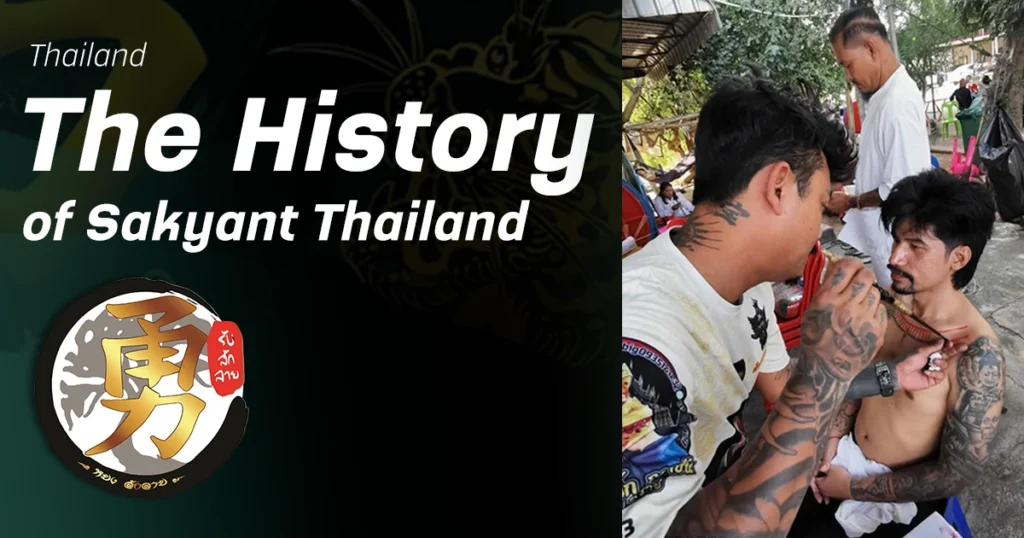
Sakyant traditional Thaitattoos represent one of the world’s oldest living tattoo traditions, blending ancient spirituality, protection rituals, and artistic expression. These mystical markings have evolved over centuries while maintaining their cultural significance in modern Thailand.
Ancient Origins
Pre-Buddhist Foundations
The practice of sacred tattooing in Southeast Asia predates written history. Archaeological evidence suggests protective tattooing existed in the region over 3,000 years ago. Early animistic beliefs held that magical symbols could ward off dangers and invite beneficial spirits to protect the wearer.
Khmer Influence
During the Khmer Empire’s dominance (802-1431 CE), sacred tattooing flourished throughout the region. Sanskrit inscriptions and geometric designs became integral elements of what would evolve into Sak Yant. The Khmer introduced advanced systems of magical symbols that continue to influence modern designs.
Buddhist Integration
Monastic Development
As Theravada Buddhism spread throughout Thailand (then Siam), Buddhist monks became the primary practitioners of Sak Yant. They incorporated Buddhist prayers, imagery, and ethical codes into the tattoos, creating a unique spiritual practice that blended animism with Buddhist teachings.
Warrior Tradition
Sak Yant gained particular prominence among Siamese warriors. Soldiers sought tattoos for invulnerability, strength, and protection in battle. Historical records describe Thai soldiers covered in sacred markings before confronting Burmese invaders, believing their tattoos would stop bullets and blades.
Traditional Designs and Meanings
Classic Yants
Several designs became foundational to the tradition:
- Hah Taew (Five Lines): Contains five rows of sacred text for protection and good fortune
- Gao Yord (Nine Spires): Represents the nine peaks of Mount Meru in Buddhist cosmology
- Suea (Tiger): Provides strength, power, and authority
- Paed Tidt (Eight Directions): Offers protection from all directions
Script and Symbolism
Traditional Sak Yant incorporates ancient Khmer script, Pali language (the sacred language of Theravada Buddhism), and geometric patterns. Each element carries specific magical properties and intentions for the recipient.
Modern Practice
Ajarn Tradition
Today, Sak Yant is performed by both Buddhist monks and lay practitioners called Ajarns. These masters study for years under established teachers to learn the precise designs, incantations, and rituals necessary for creating spiritually potent tattoos.
Contemporary Relevance
While modernization has changed many aspects of Thai society, Sak Yant remains culturally significant. Many Thais and international visitors seek these tattoos for their protective qualities, spiritual connections, and cultural heritage. Recipients traditionally observe specific rules (Krop Kruang) determined by their Ajarn to maintain the tattoo’s power.
This living tradition continues to evolve while preserving its sacred core—demonstrating how ancient spiritual practices can maintain relevance in contemporary society through meaningful adaptation and cultural respect.